Businesses comparing autopen vs outsourced handwritten direct mail costs often focus first on response rates. Research from organizations like the Data & Marketing Association shows that personalization significantly increases engagement in direct mail campaigns. When personalization becomes physical, such as having handwriting instead of printed fonts, response and engagement often increase even further.
Studies referenced by the New York Times also suggest that physical mail creates stronger emotional engagement and memory retention than purely digital advertising. Receiving tangible mail can make a message more noticeable and more memorable.
What this means is that handwritten or handwriting-style mail paired with thoughtful messaging is often more engaging than basic printed mail or standard digital outreach, even if the exact lift varies by audience and campaign structure.
The performance advantage is compelling, but the cost structure is where things get complicated.
The Rising Cost of Outsourced Handwritten Mail
Many businesses turn to outsourced handwritten mail services to capture that engagement boost. On the surface, it makes sense. You avoid equipment purchases and internal production. You pay per piece and move on.
But per-piece pricing adds up quickly.
Industry averages for outsourced handwritten mail often fall between $3 and $7 per piece before postage. Actual costs vary by provider, customization level, and mailing volume, but recurring per-piece pricing remains the dominant cost structure across most outsourced services.
Let’s look at what that means annually.
- 500 pieces per month at $4 per piece equals $24,000 per year
- 1,000 pieces per month equals $48,000 per year
- 2,500 pieces per month equals $120,000 per year
That is a significant recurring marketing expense.
And unlike advertising platforms, those costs do not typically decrease with scale.
The Hidden Costs of Outsourcing
Beyond the visible per-piece price, outsourcing introduces additional constraints.
Limited Agility
Campaign adjustments require approvals and processing time. Testing variations or launching quickly becomes harder.
Creative Restrictions
You are often limited to predefined formats, handwriting styles, and production schedules.
Margin Compression
If you are an agency or service provider offering handwritten mail to clients, outsourcing reduces your margin immediately.
Vendor Dependency
Your timeline and flexibility depend on an external production queue.
Over time, these factors create both financial and operational friction.
The Financial Case for Owning an Autopen
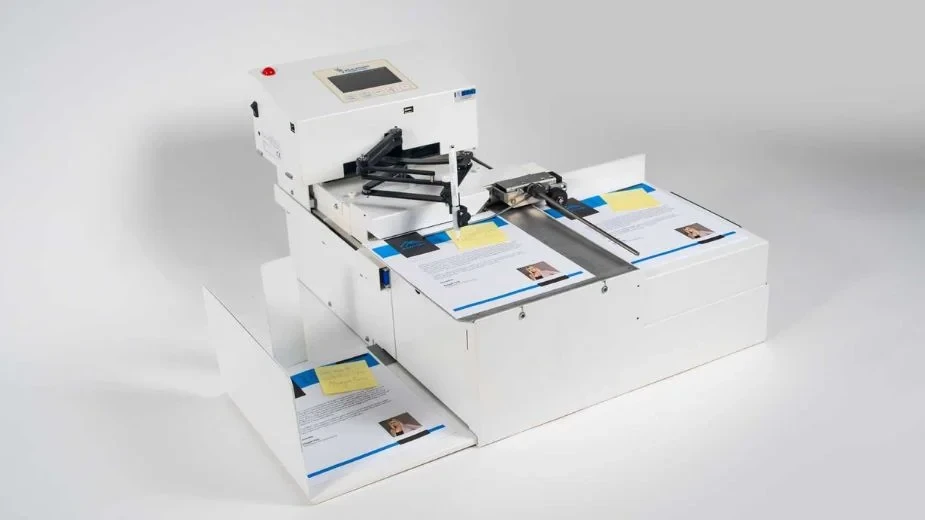
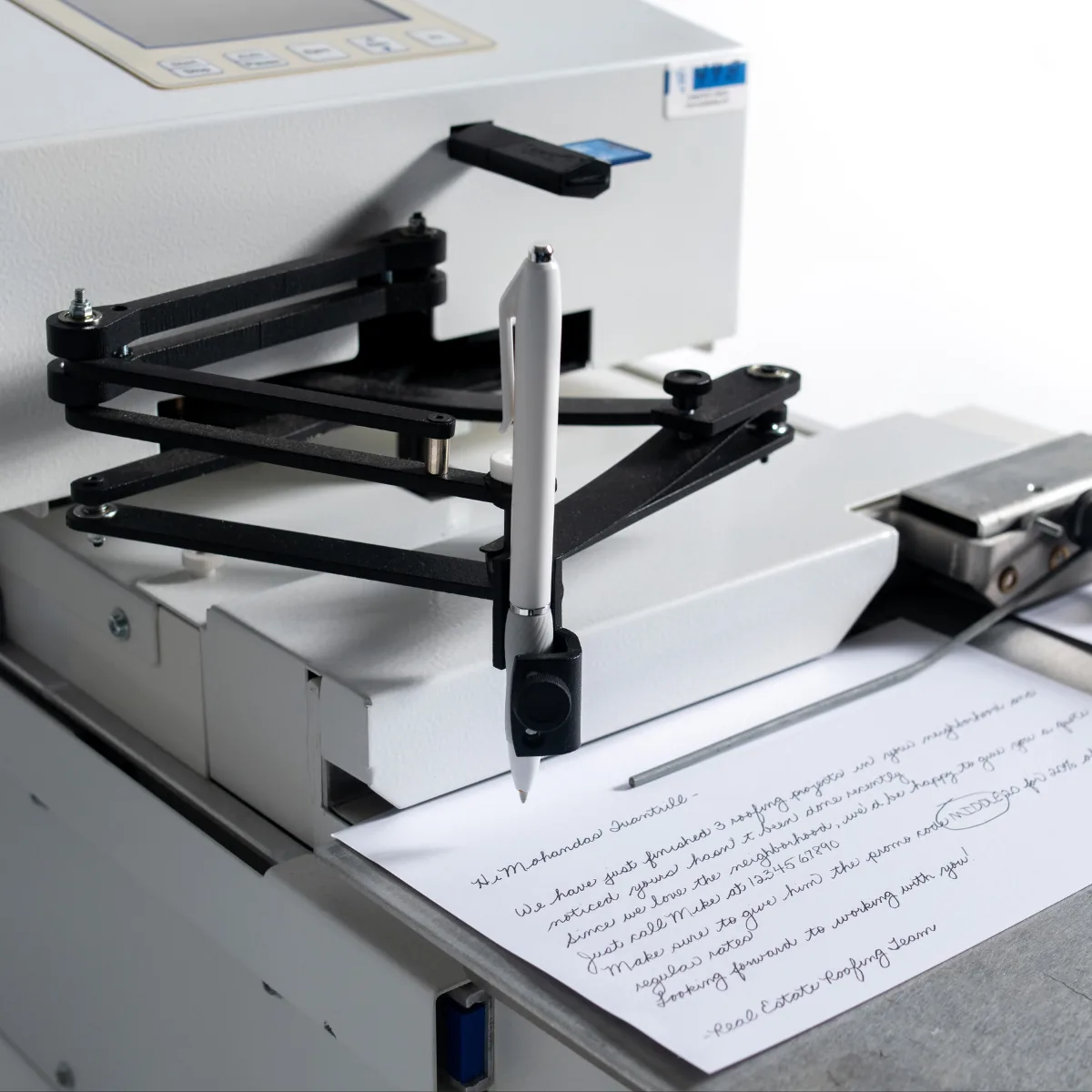
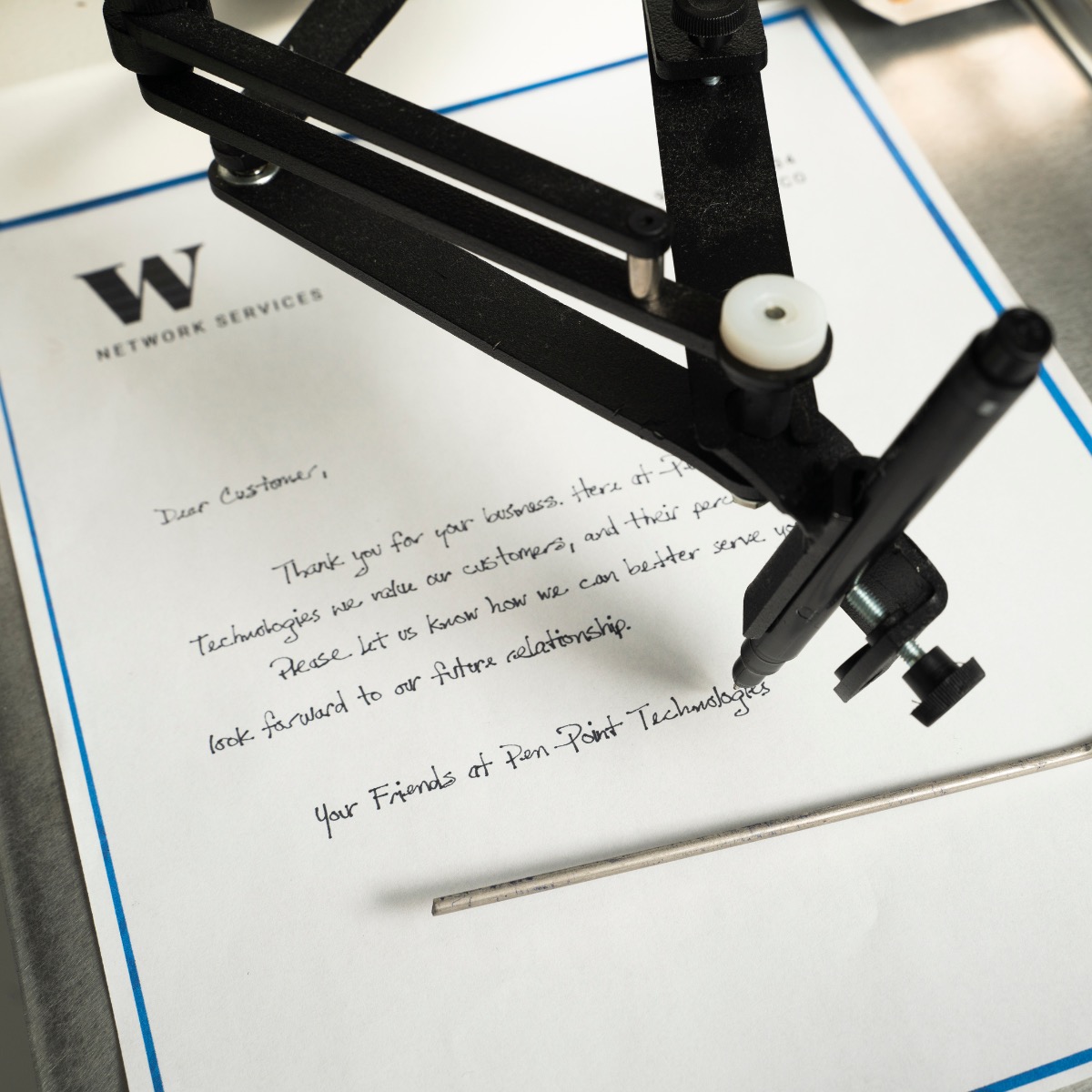
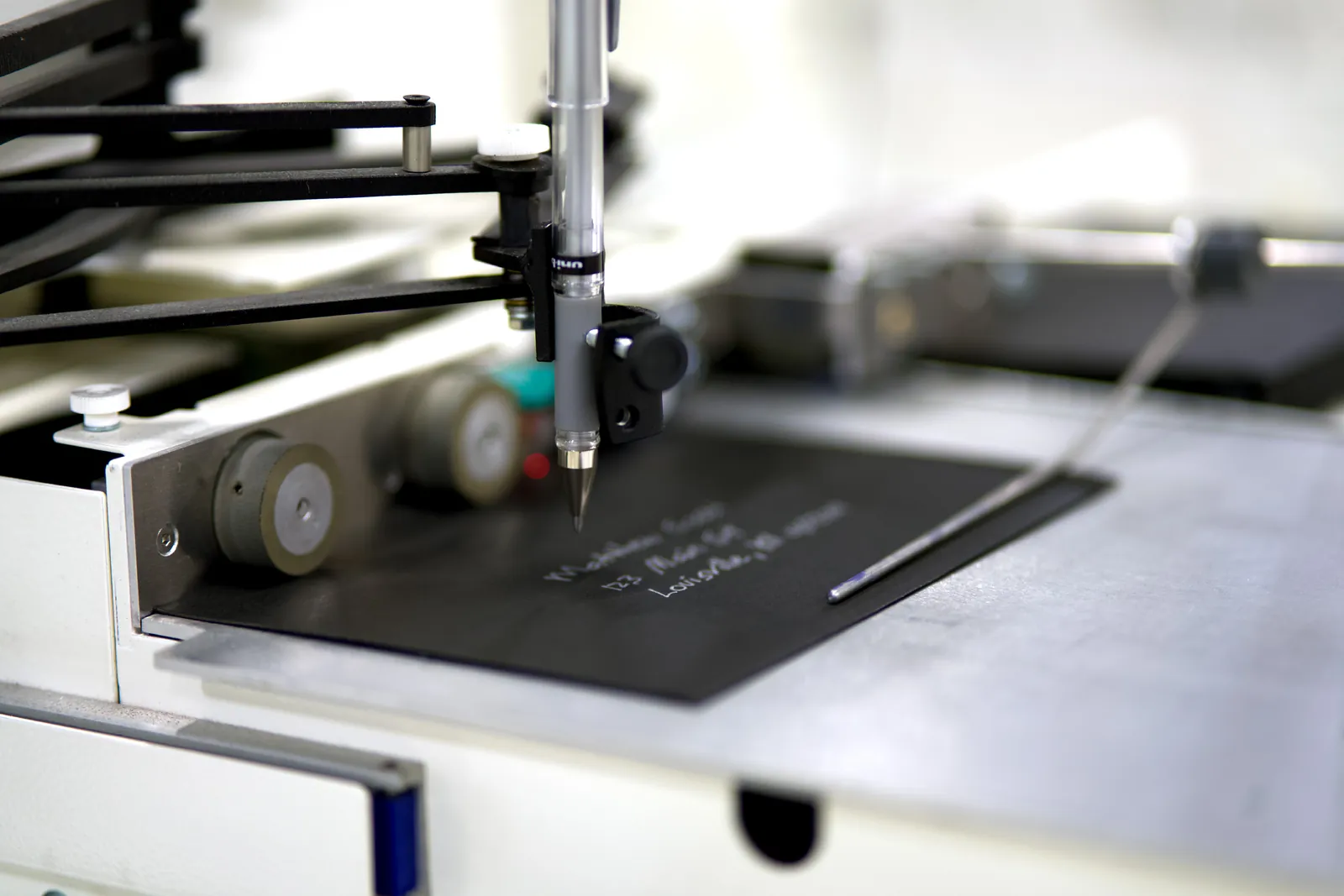
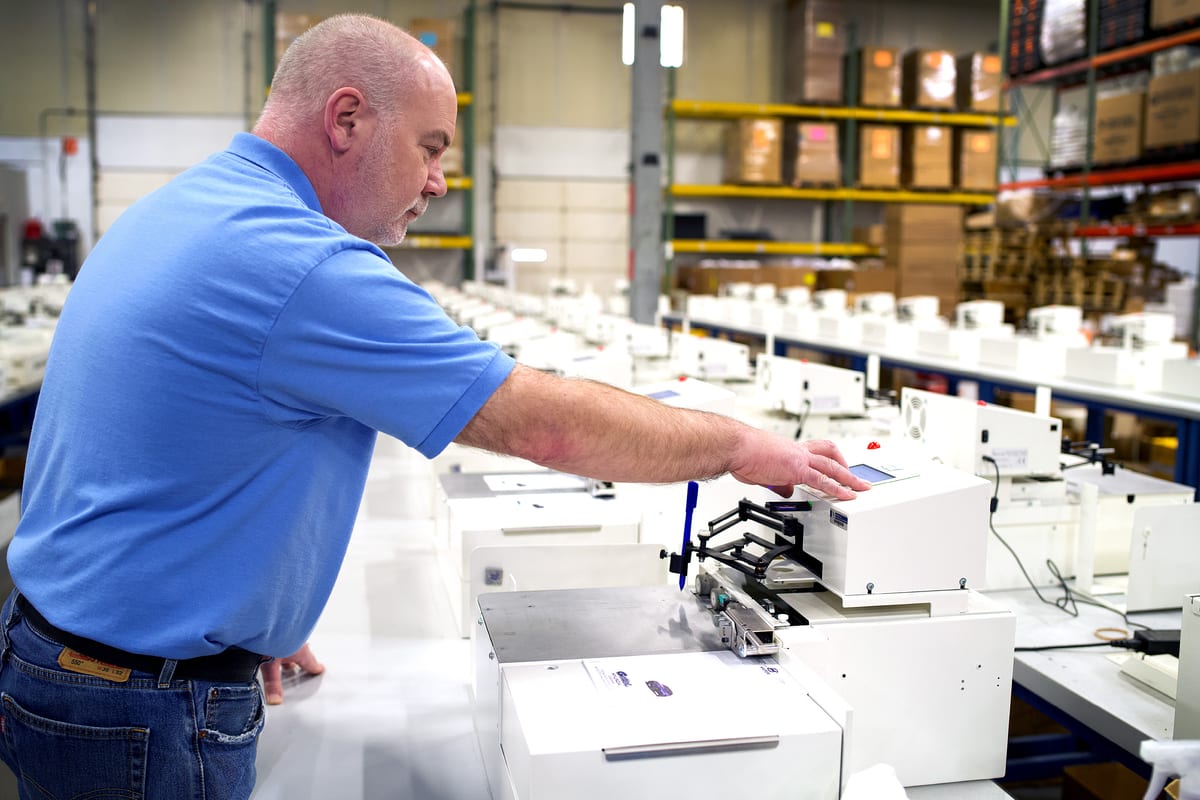
Modern solutions such as Pen Point Technologies’ AutoPen system allow organizations to transition from outsourced production to internal handwritten mail workflows while maintaining consistent writing quality. Owning an autopen changes the equation.
Instead of paying per piece indefinitely, your structure becomes:
- One-time equipment investment
- Paper and envelope cost
- Ink replacement
- Minimal internal labor once workflows are established
At scale, the per-piece production cost can drop substantially compared to outsourced pricing.
This shifts handwritten mail from a recurring external expense to an internal production asset.
The Break-Even Question
Most organizations evaluate break-even by comparing total annual outsourced spending against the one-time cost of equipment and ongoing material expenses.
The most important question is not whether handwritten mail works.
It is how much you are spending to produce it.
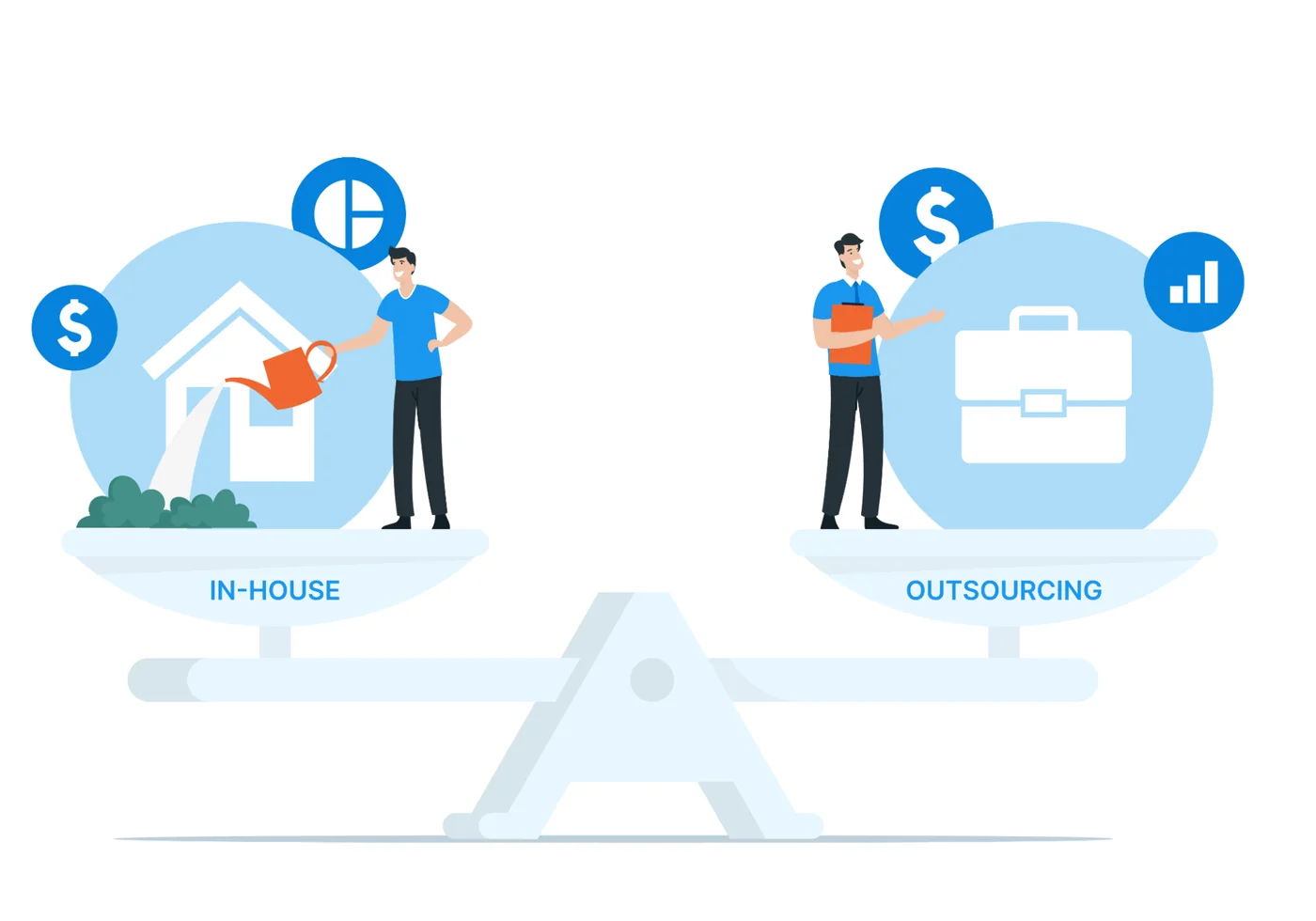
If your organization sends 1,000 pieces per month and spends $48,000 annually on outsourced production, the break-even point for owning equipment may arrive quickly.
After that point:
- Your cost per piece declines
- Your campaign margins improve
- Your turnaround speed increases
- Your long-term return on investment strengthens
Ownership transforms handwritten mail from something you rent to something you control.
Typical ownership workflows include:
- Preparing mailing lists internally
- Uploading message templates
- Producing handwritten letters on demand
- Managing campaigns without vendor delays
When Outsourcing Makes Sense
Outsourcing is reasonable in certain situations:
- Very low monthly volume
- Short-term testing
- No internal staffing capacity
However, once handwritten mail becomes a consistent part of your marketing strategy, the financial model often favors internal production.
The Strategic Advantage of Control
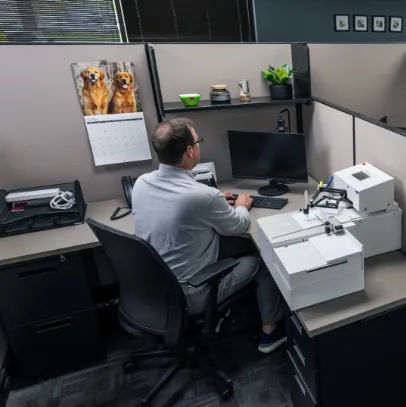
Beyond cost savings, ownership delivers strategic advantages:
- Immediate campaign deployment
- Greater creative flexibility
- Full control over data and timing
- Higher profit margins for agencies
- Scalable personalization without recurring vendor markups
It turns a marketing tactic into infrastructure.
The Real Question
Handwritten mail can improve engagement and memorability when used thoughtfully. Research supports the power of personalization and physical mail. The remaining question is financial.
Are you paying tens of thousands of dollars each year to outsource something you could own?
If handwritten direct mail is becoming a recurring part of your outreach, calculating your annual outsourcing cost is a valuable first step in determining whether internal production provides a stronger long-term return.
FAQs
Q: Is owning an autopen cheaper than outsourcing handwritten mail?
A: For businesses sending consistent monthly volumes, owning an autopen often reduces long-term per-piece costs compared to outsourced pricing.
Q: What volume makes buying an autopen worthwhile?
A: Many organizations find that sending 500–1,000 pieces per month is where ownership becomes financially attractive.
Q: What are typical outsourced handwritten mail costs?
A: Many outsourced providers charge between $3 and $7 per piece before postage, depending on customization and volume.
Q: Can an autopen maintain handwriting quality?
A: Yes. Modern autopen systems reproduce natural writing characteristics such as spacing, pressure, and ink flow.
Q: When does outsourcing still make sense?
A: Outsourcing is useful for low-volume testing or short-term campaigns before committing to equipment ownership.