A strong direct mail in healthcare marketing strategy does more than generate visibility, it helps healthcare organizations communicate with patients in ways that influence behavior and improve outcomes. Unlike digital channels that are often ignored or filtered, physical mail delivers messages directly into patients’ homes, where they are more likely to be noticed and remembered.
For healthcare providers navigating complex patient journeys, direct mail offers a reliable way to reinforce communication, encourage preventative care, and support long-term engagement.
Healthcare Marketing Requires a Different Approach
Healthcare marketing is fundamentally different from traditional marketing.
You are not simply promoting products or services. You are guiding patients toward better health decisions, encouraging preventative care, and supporting ongoing treatment plans within a highly regulated environment.
That requires communication that is trusted, timely, and relevant.
Digital channels alone are not enough. Patients are inundated with notifications, emails, and ads, many of which are ignored or filtered out entirely. To truly connect, healthcare organizations need channels that break through that noise.
How Direct Mail Strengthens Healthcare Marketing Strategy

Direct mail creates a different kind of interaction. It reaches patients in their homes, away from digital distractions. It feels intentional and carries a sense of importance that digital messages often lack. This makes it a powerful complement to digital outreach.
While performance varies by audience and message design, many healthcare organizations report improved engagement when physical mail complements digital outreach. This translates into higher engagement with critical communications such as screenings, appointments, and care reminders.
Using Patient Data to Power Direct Mail Campaigns
Modern healthcare direct mail campaigns are no longer generic.
Healthcare systems already have access to valuable patient data. The opportunity lies in using that data to deliver targeted, timely communication.
With the right strategy, organizations can:
- Identify patients due for preventative screenings
- Reach individuals managing chronic conditions at the right time
- Target high-risk populations with relevant education and resources
When direct mail is informed by real data, it becomes a strategic tool rather than a basic outreach method. All patient data usage must follow applicable privacy and HIPAA compliance standards to ensure secure communication.
Direct Mail Across the Patient Journey
Healthcare is not a one-time interaction. It is an ongoing journey.
A well-planned patient engagement direct mail strategy supports multiple stages:
- Acquisition Introduce new patients to providers, specialties, or services.
- Engagement Encourage appointment scheduling and service utilization.
- Retention Keep patients connected to your network and reduce leakage.
- Outcomes Reinforce care plans, reminders, and preventative actions.
For example, a patient with asthma can receive timely reminders during high-risk seasons. Parents can be prompted to schedule well-child visits. Patients can be encouraged to follow through on screenings or treatments.
These are not just marketing messages. They are communications that directly impact care.
Why Direct Mail Performs in a Digital-First World
Even in a digital-first environment, response rates are not always improving. Patients are overwhelmed with information. As inboxes fill up and ads become easier to ignore, physical mail stands out.
Younger demographics, including millennials, are responding positively to direct mail. It feels more thoughtful and less automated, which increases the likelihood of engagement.
For healthcare marketers, this creates an opportunity to reconnect with audiences that are becoming harder to reach through digital channels alone.
Integrating Direct Mail with Digital Healthcare Systems
The most effective direct mail in healthcare marketing strategy is not built on a single
channel. Direct mail works best when integrated into a broader system.
A patient might visit your website, engage with digital content, and then receive a personalized mail piece that reinforces the message. That mail piece can include a clear call to action, appointment reminders, or QR codes that bring the patient back into a digital workflow.
This type of coordination increases the likelihood of action and improves the overall patient experience.
The Role of Personalization in Patient Communication
Healthcare communication must be relevant. Generic messaging does not work when patients expect providers to understand their needs. Direct mail enables personalized healthcare marketing at scale. Messaging can be tailored based on condition, age, life stage, or prior engagement.

Healthcare organizations can deliver:
- Different messages to distinct patient segments
- Tailored information based on care needs
- Relevant next steps that feel specific rather than mass-produced
This level of customization is essential for building trust and driving action.
Handwritten Mail Enhances Healthcare Engagement
At Pen Point Technologies, the focus is on making communication feel human again.
In healthcare, that human element is especially important.
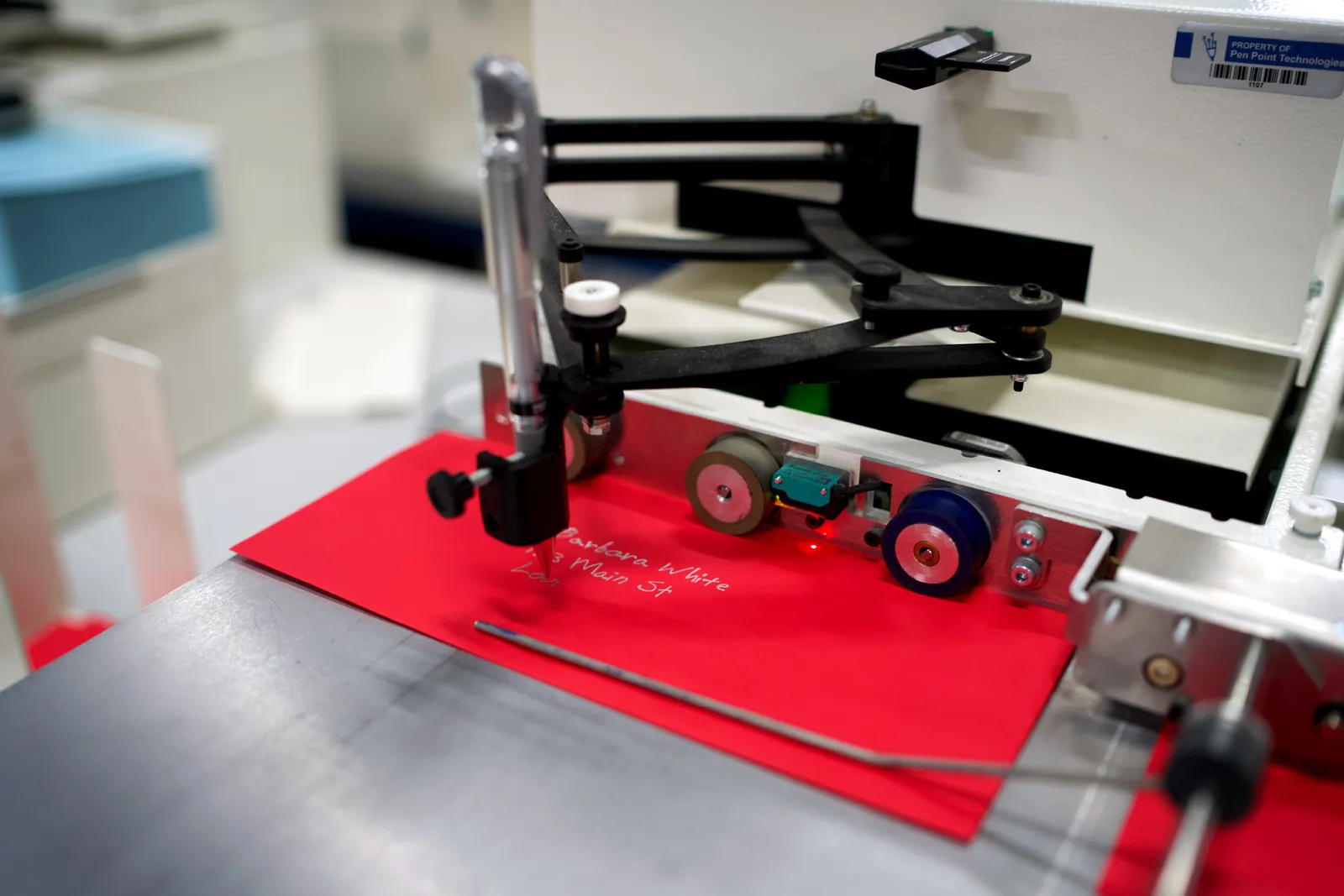
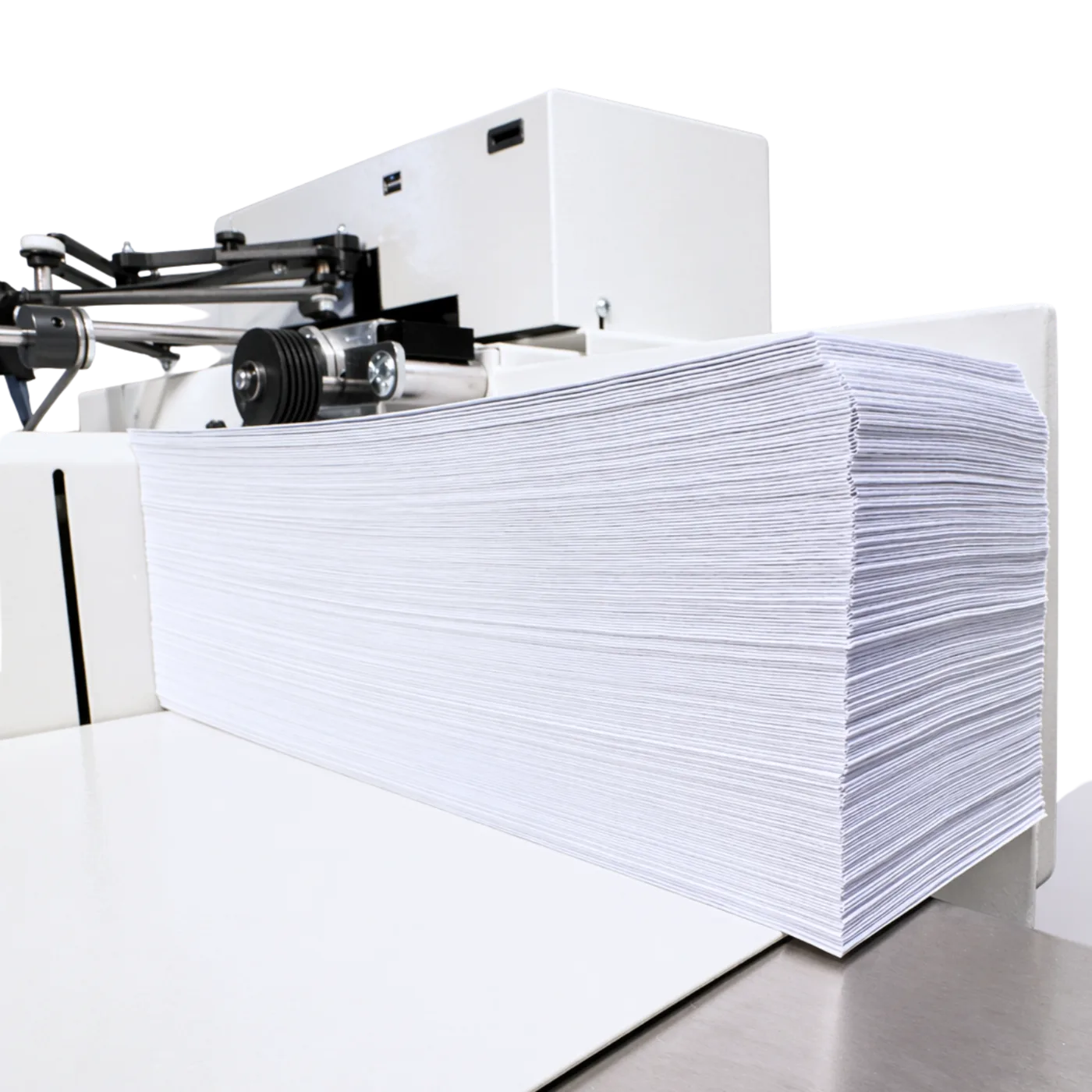
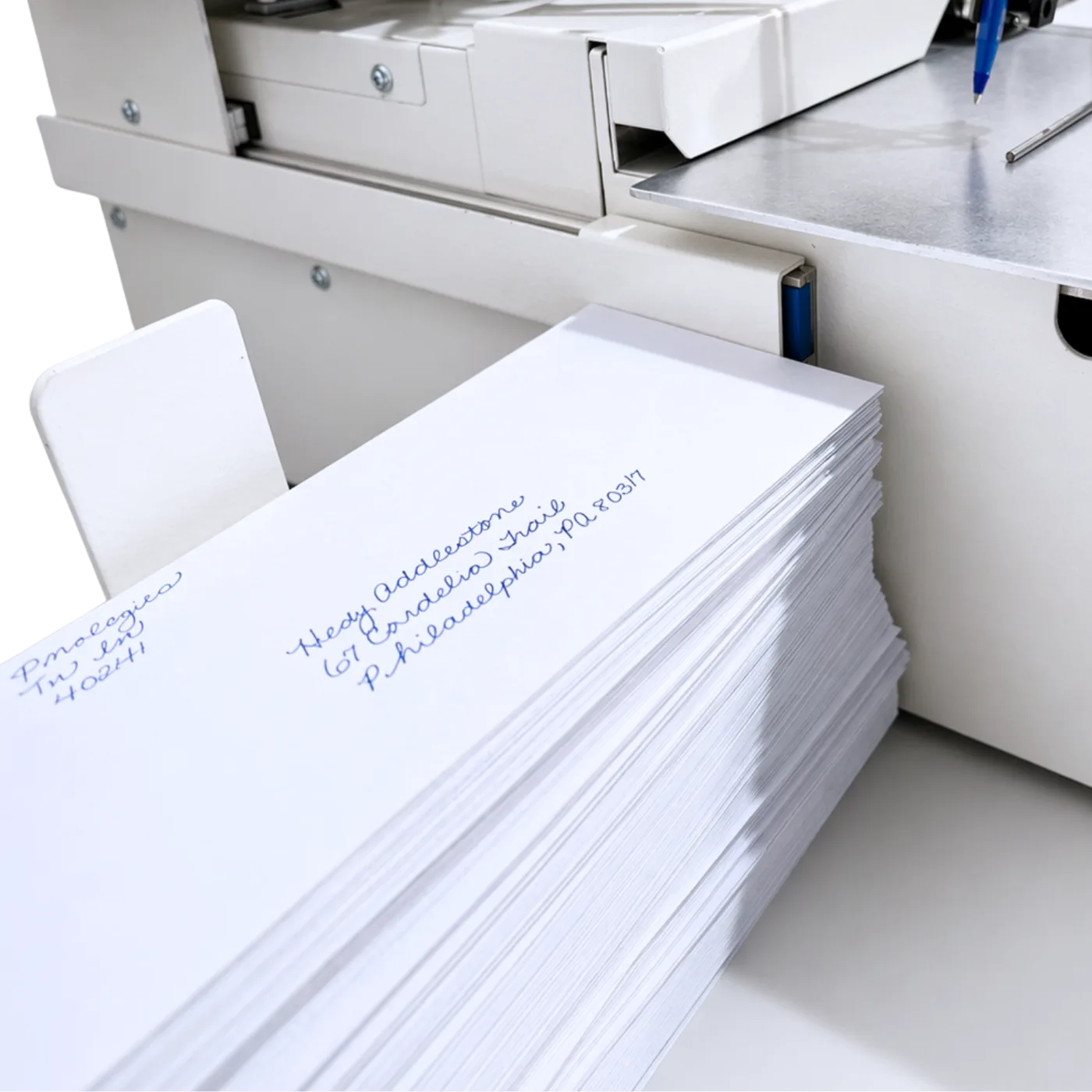
Using Pen Point Technologies’ AutoPen system, healthcare organizations can deliver personalized handwritten direct mail at scale while maintaining consistent production workflows. This approach combines the authenticity of real handwriting with the efficiency of automation.
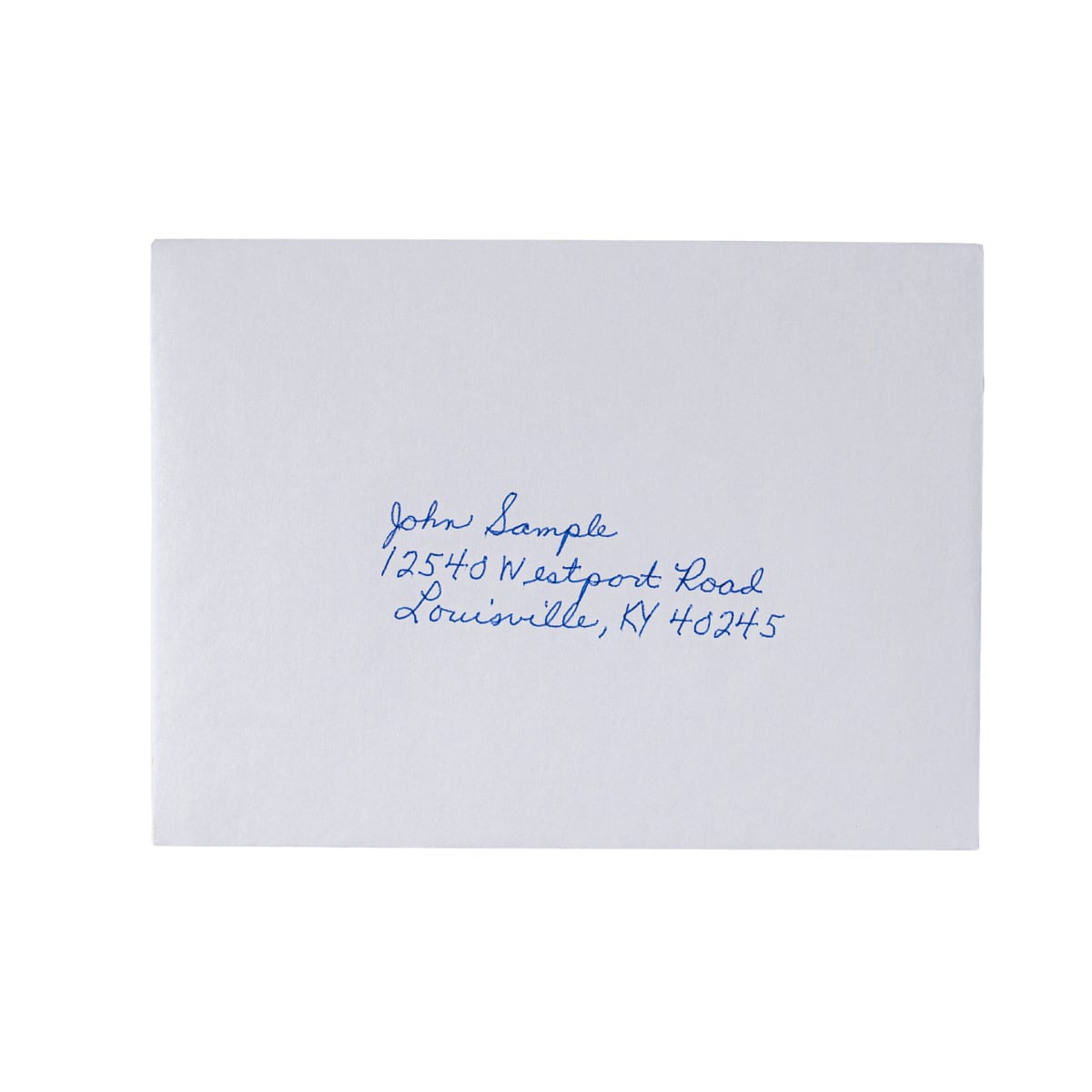
Handwritten outreach stands out in a way that traditional print does not. It feels intentional, personal, and credible.
For healthcare organizations, this supports:
- Patient engagement initiatives
- Preventative care programs
- Re-engagement campaigns
- Provider and network outreach
When combined with strong data and targeting, handwritten mail becomes a powerful extension of patient communication strategies.

The Bottom Line
Healthcare marketing is about more than visibility. It is about connection, trust, and action.
A well-executed direct mail in healthcare marketing strategy delivers messages in a way that patients notice and respond to. When it is data-driven, personalized, and integrated with digital systems, it becomes a meaningful tool for improving both engagement and outcomes.
Healthcare organizations looking to improve patient engagement should evaluate how personalized, handwritten direct mail can strengthen their communication strategy.
Explore how Pen Point Technologies’ AutoPen supports personalized healthcare outreach while maintaining efficiency and scalability.
Recommended FAQs
Q: Why is direct mail effective in healthcare marketing?
A: Direct mail delivers messages directly to patients’ homes, increasing visibility and improving engagement compared to crowded digital channels.
Q: How can healthcare organizations personalize direct mail?
A: Patient data can be used to segment audiences by condition, age, or care stage, enabling relevant and timely communication.
Q: Can handwritten mail be used in healthcare outreach?
A: Yes. Handwritten communication can increase engagement and reinforce trust when used for reminders, follow-ups, and educational outreach.
Q: How does direct mail support preventative care?
A: Targeted reminders can prompt patients to schedule screenings, follow treatment plans, and stay connected to care providers.
Q: Is direct mail compliant with healthcare privacy standards?
A: Yes, when properly managed under HIPAA-compliant processes and secure data workflows.