Turn Abandoned Carts Into Meaningful Follow-Ups
Cart abandonment is one of the most persistent challenges in e-commerce. Shoppers browse, add items, and then disappear, often leaving brands to rely on a familiar cycle of reminder emails and retargeting ads. While these tactics are useful, they are also expected, easy to ignore, and increasingly crowded.
Handwritten direct mail introduces an entirely different recovery strategy, one that shifts the interaction from digital chasing to genuine connection.
Why Digital-Only Recovery Falls Short
Most abandoned cart campaigns depend on automation through email, SMS, and paid ads. Customers receive these reminders constantly from every brand they interact with. Over time, inbox fatigue and ad blindness reduce their effectiveness.
When follow-ups feel automated or repetitive, shoppers do not feel recognized. The message becomes another nudge rather than a meaningful reason to return.
Where Handwritten Mail Changes the Experience
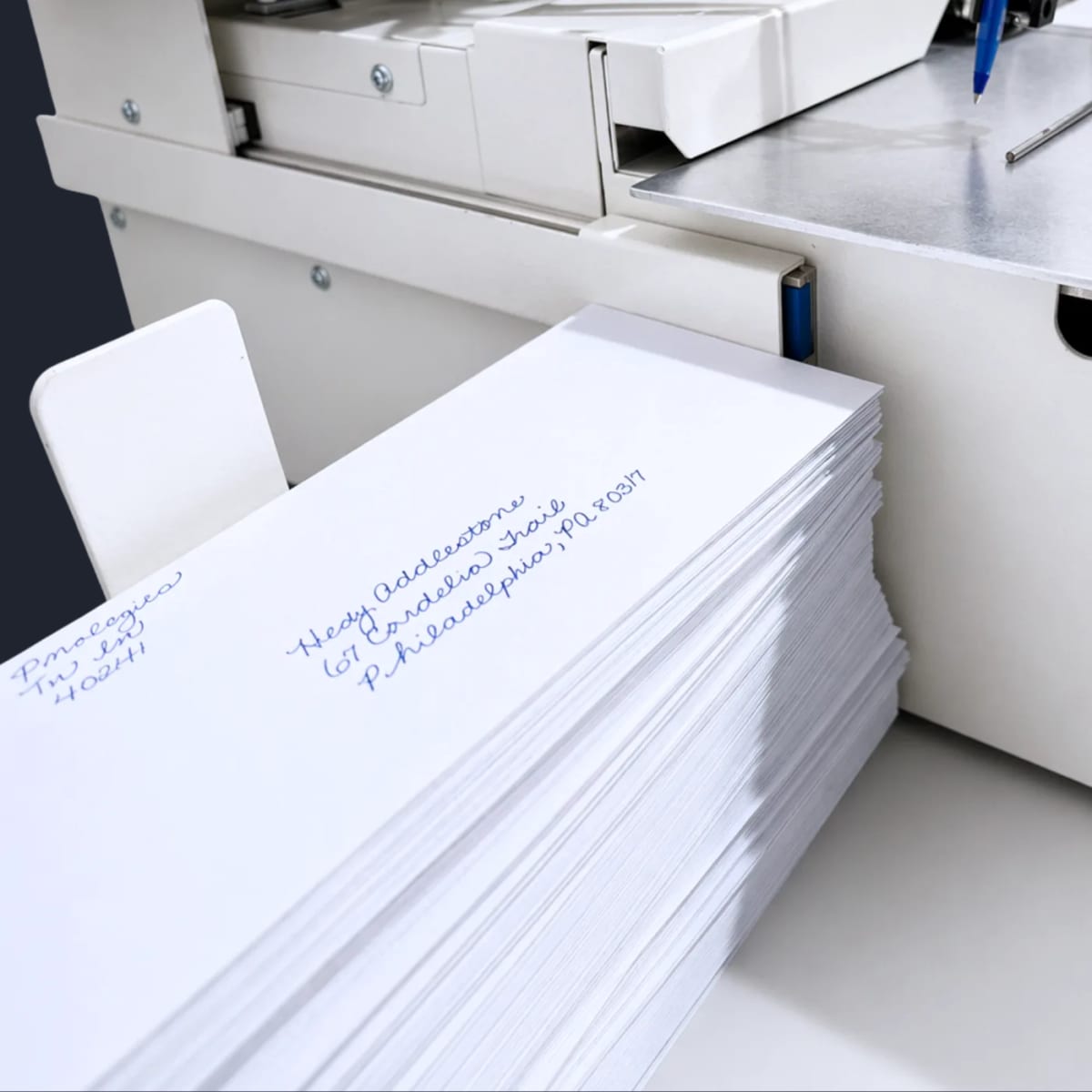
A handwritten-style postcard or note arriving in the mail immediately stands out. It feels intentional and unexpected. Instead of another screen notification, the message becomes a tangible reminder of the brand and the product the customer showed interest in.
This type of outreach feels more like customer care than marketing. A simple message acknowledging the shopper’s interest or thanking them for visiting creates a human moment that digital channels struggle to replicate.
By slowing the interaction down and entering the customer’s physical space, handwritten mail increases the likelihood that the message is read, remembered, and acted upon.
Scaling Personalization with an Autopen
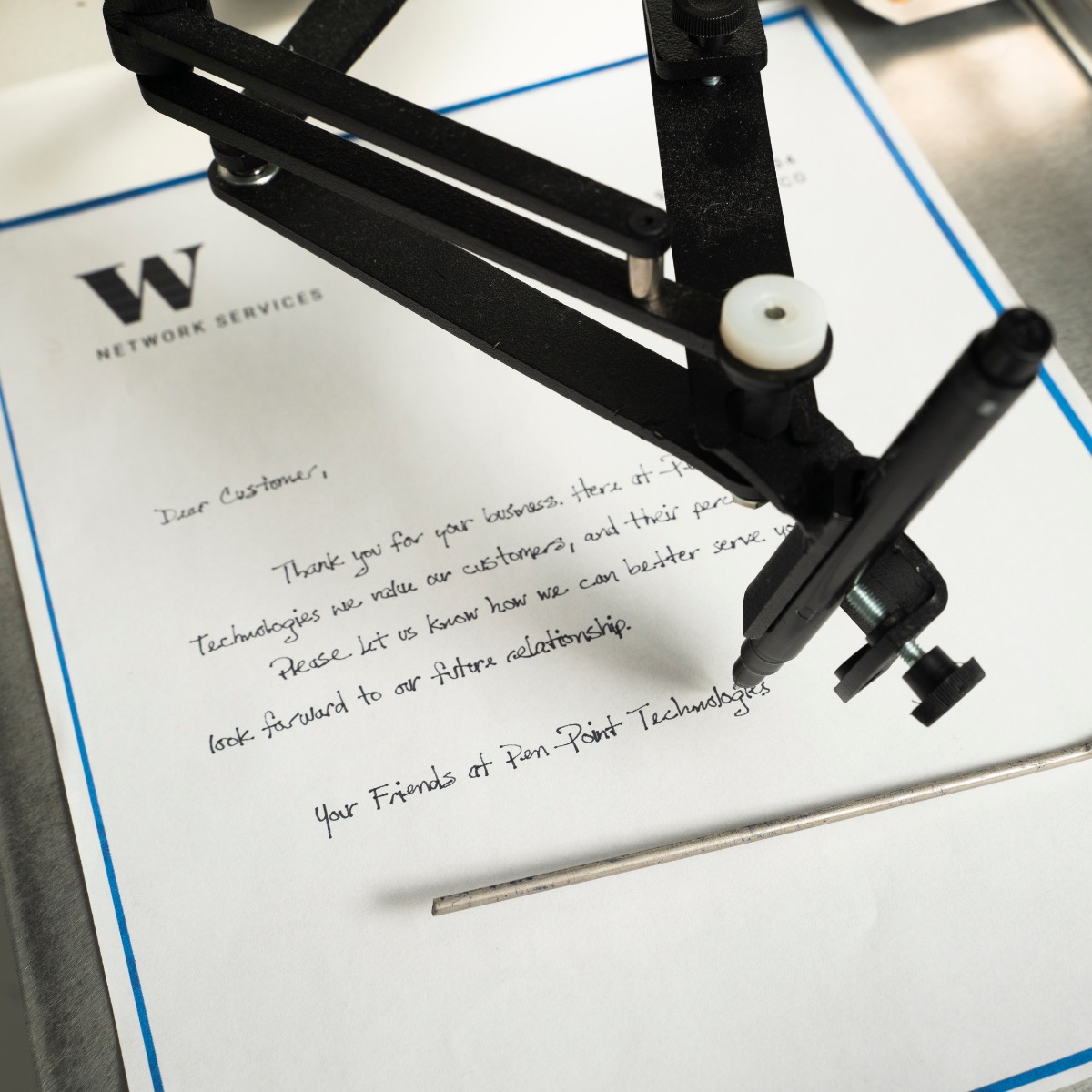
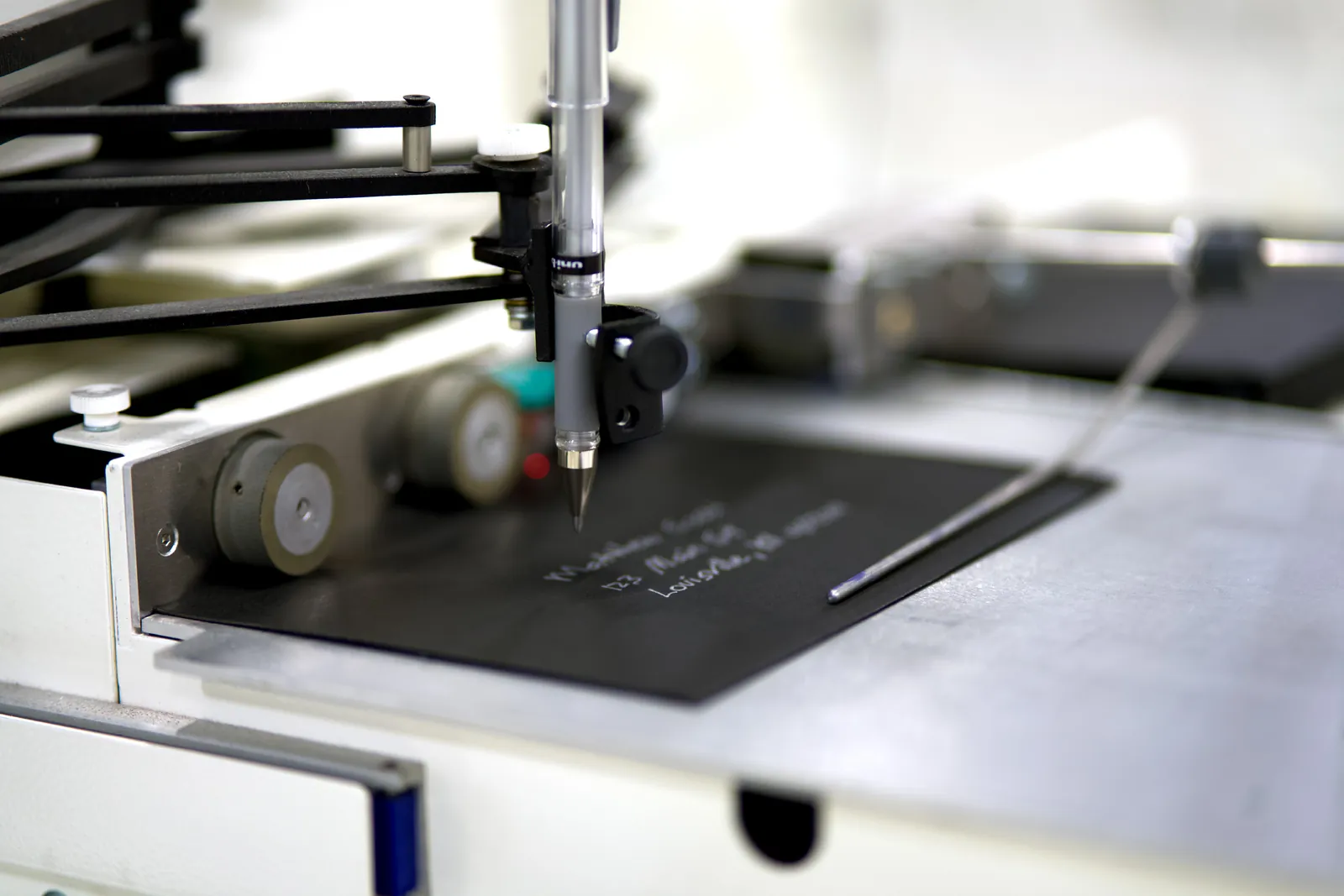
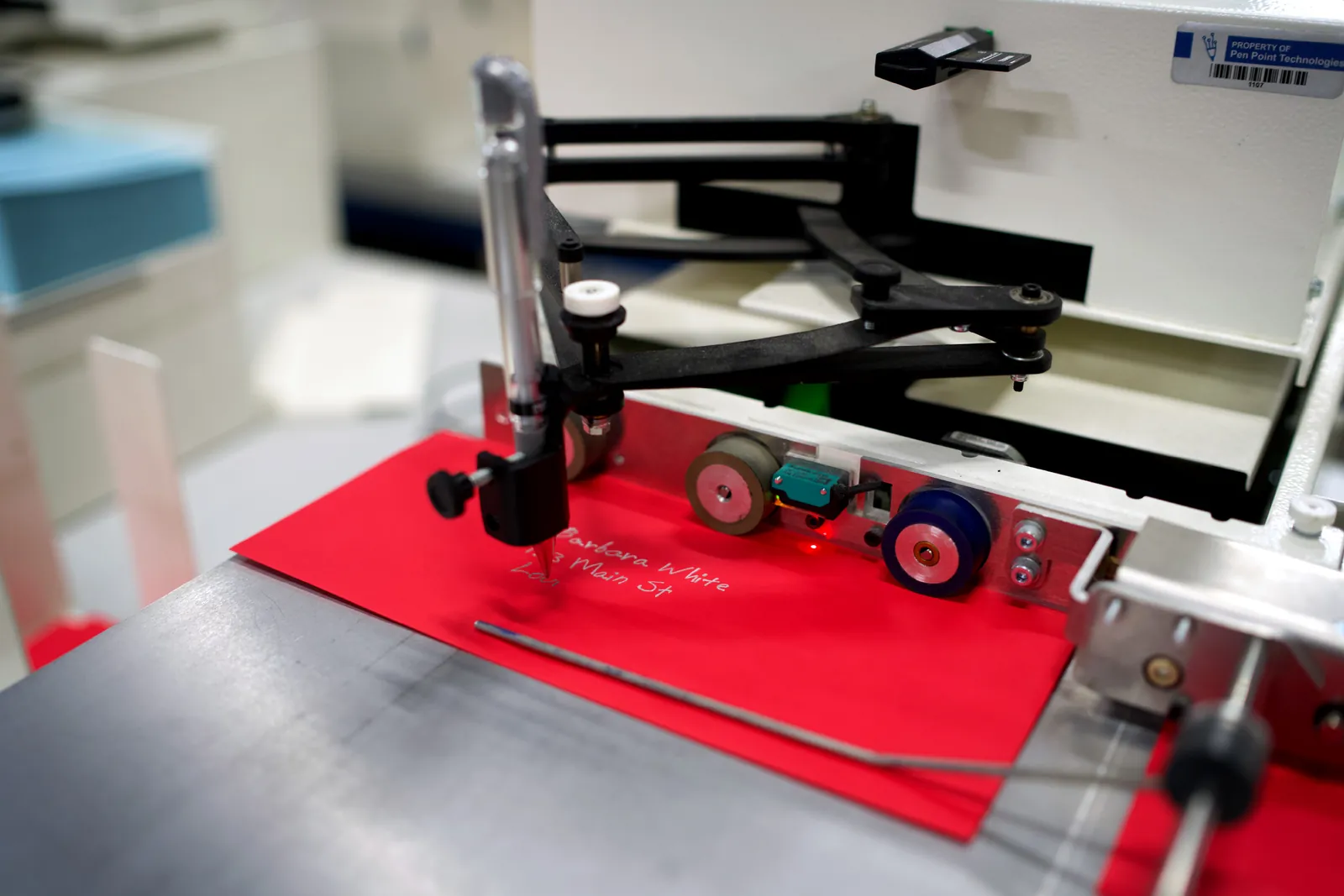
Historically, handwritten outreach was impractical for high-volume e-commerce brands. An autopen removes that barrier.
With an autopen, brands can:
- Trigger handwritten-style notes automatically after cart abandonment
- Reference specific products or categories browsed
- Include personalized incentives or reminders
- Maintain speed and efficiency without adding labor or disrupting fulfillment
Each piece is written with real ink and natural variation, preserving authenticity while allowing campaigns to scale.
The Result
Brands using handwritten cart recovery see higher re-engagement and improved conversion rates. Beyond immediate revenue recovery, they also benefit from stronger brand perception.
Customers feel noticed rather than pursued. The follow-up feels thoughtful, not pushy. That difference builds trust and increases the likelihood of future purchases.
The Takeaway
Recovering lost carts is not just
about reminders. It is about reconnection. Handwritten mail turns abandoned moments into brand-building opportunities that digital-only strategies often miss.
Call to Action
Ready to turn abandoned carts into meaningful customer connections?
Learn how an autopen helps e-commerce brands recover revenue with handwritten-style follow-ups that feel personal, authentic, and scalable.
Discover how an autopen fits into your cart recovery strategy.