The first question every prospect asks is "what response rate will I get?" — and any vendor who answers with a single confident number is selling you something. After three decades and 500,000,000+ pieces across our machines and clients, here are the honest ranges we actually observe, and what moves you inside them.
The baseline: handwritten vs. printed
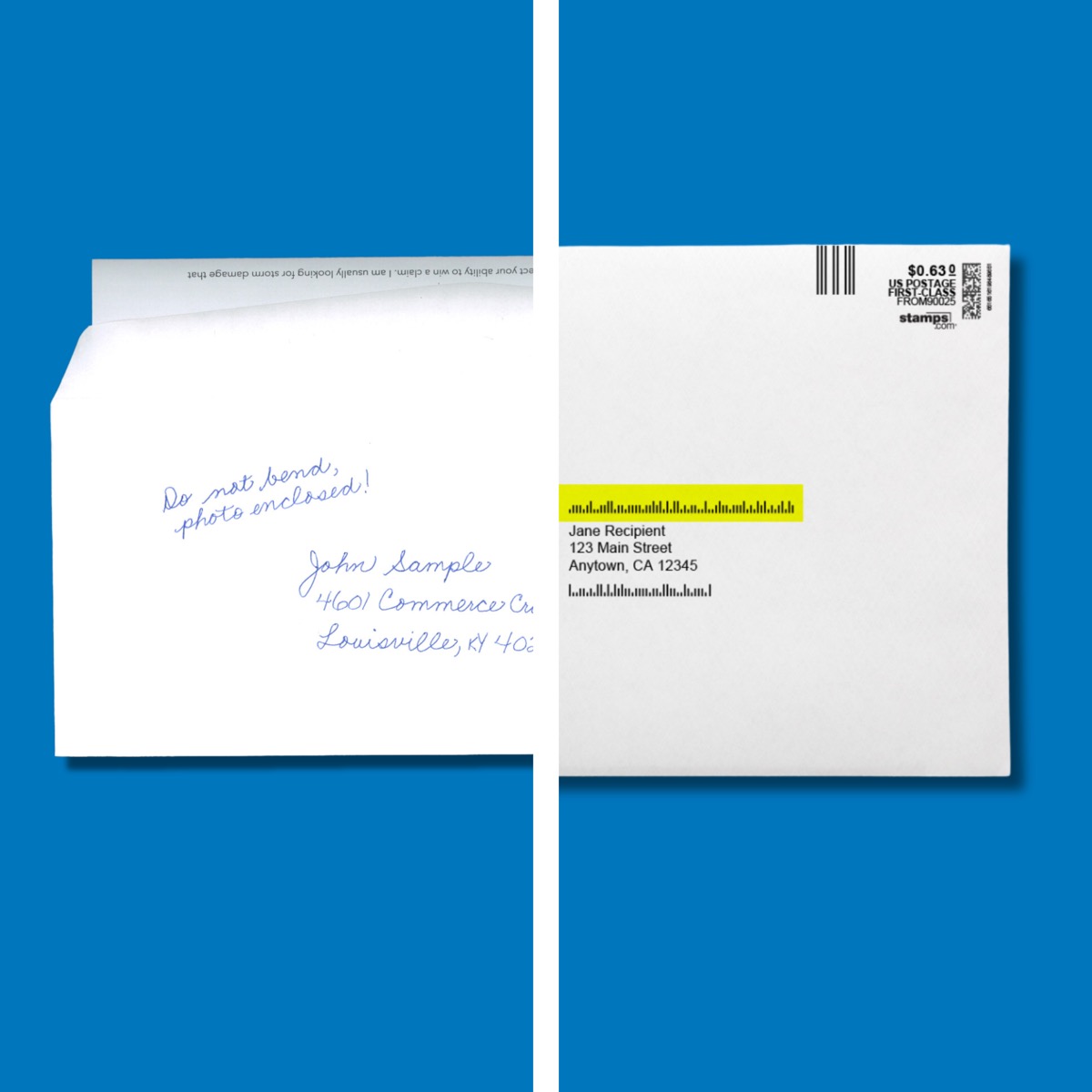
Run the same list with the same message and the handwritten version typically pulls 3–5× the response of the printed one. That's the core effect, and it's mechanical: hand-addressed envelopes get opened. Everything else — industry, offer, list — determines what happens after the open.
Typical ranges we see
Prospecting campaigns (real estate, moving companies, home services): commonly 3–10% response on well-targeted lists — several times what the same businesses report from printed mail or cold digital outreach.
Donor cultivation: the strongest results in the industry's history. Personalized handwritten appeals to engaged, high-value donor lists have historically reached 25–30% response — the economics that built the handwritten mail industry in the first place.
Customer retention and thank-yous (e-commerce, insurance renewals, past clients): harder to measure as direct response, but repeat-purchase and retention lifts show up consistently — you're writing to people who already know you.
What actually decides your number
The list is 80% of the outcome. A handwritten envelope to the right five hundred people beats ten thousand sprayed at a purchased list — and costs less. Targeting, a reason to respond, and a clear next step do the rest. Handwriting buys you the open; it doesn't rescue a weak offer.
How to find out for your list
Test before you commit. Rent a machine and run your own list against your own control — a few hundred pieces answers the question with your data, not our ranges. If the math works at rental pricing, it works dramatically better owned. And if your volume can't support the test, an outsourced handwriting service is the honest starting point — the response-rate physics are the same.