Bringing patients back without pressure
Every dental and orthodontic practice has inactive patients. These are individuals who have not scheduled an appointment in months or even years. Re-engaging them can feel difficult, especially when email reminders go unopened and text messages are easily ignored.
The challenge is not awareness. Most inactive patients know they are overdue. The challenge is reconnecting in a way that feels respectful, personal, and welcoming rather than pushy.
Why Digital-Only Re-Engagement Falls Short
Digital reminders are efficient, but they are also easy to dismiss. Patients receive dozens of emails and notifications every day, and reactivation messages often blend into the noise.
When outreach feels automated or repetitive, patients are more likely to disengage further rather than respond.
The Power of Handwritten Outreach
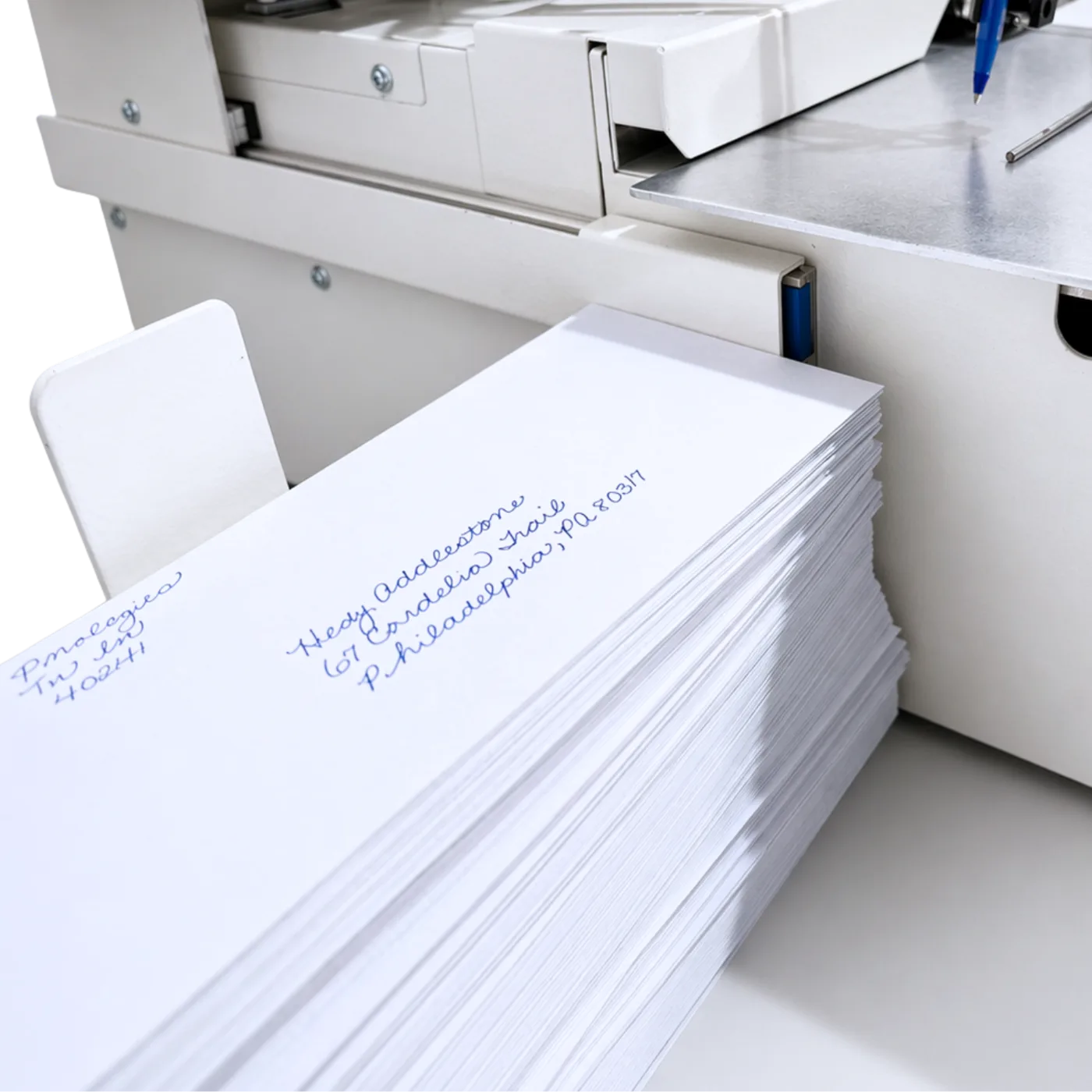
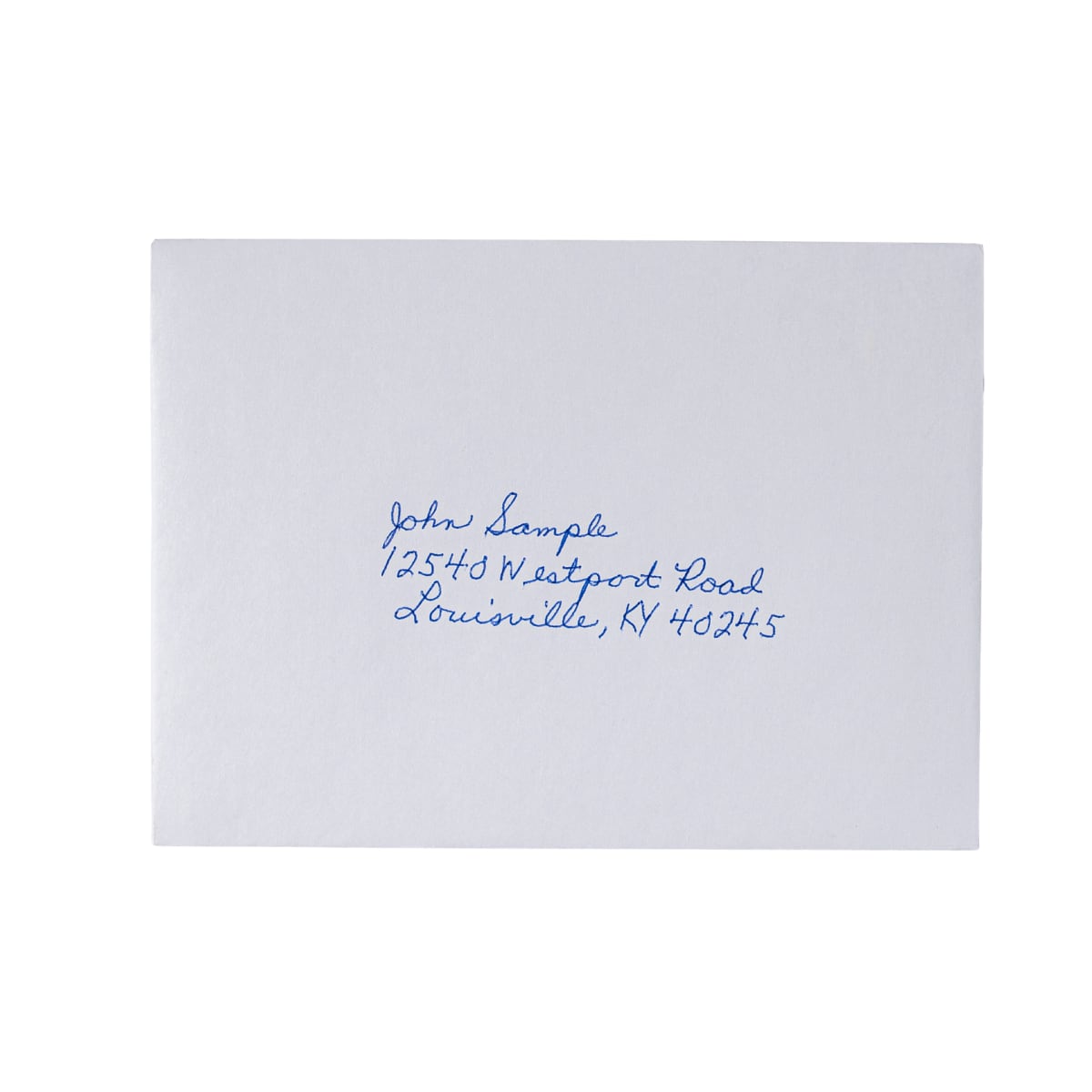
Handwritten-style mail offers a different approach. A simple message such as “We’ve missed seeing you” feels warm and human. It communicates care rather than urgency and invites patients back without pressure.
Because it is tangible, handwritten mail slows the recipient down. It creates a moment of attention and signals that the practice took extra effort to reach out personally.
This type of communication reopens the relationship instead of trying to force an appointment.
Making Re-Engagement Scalable with an Autopen
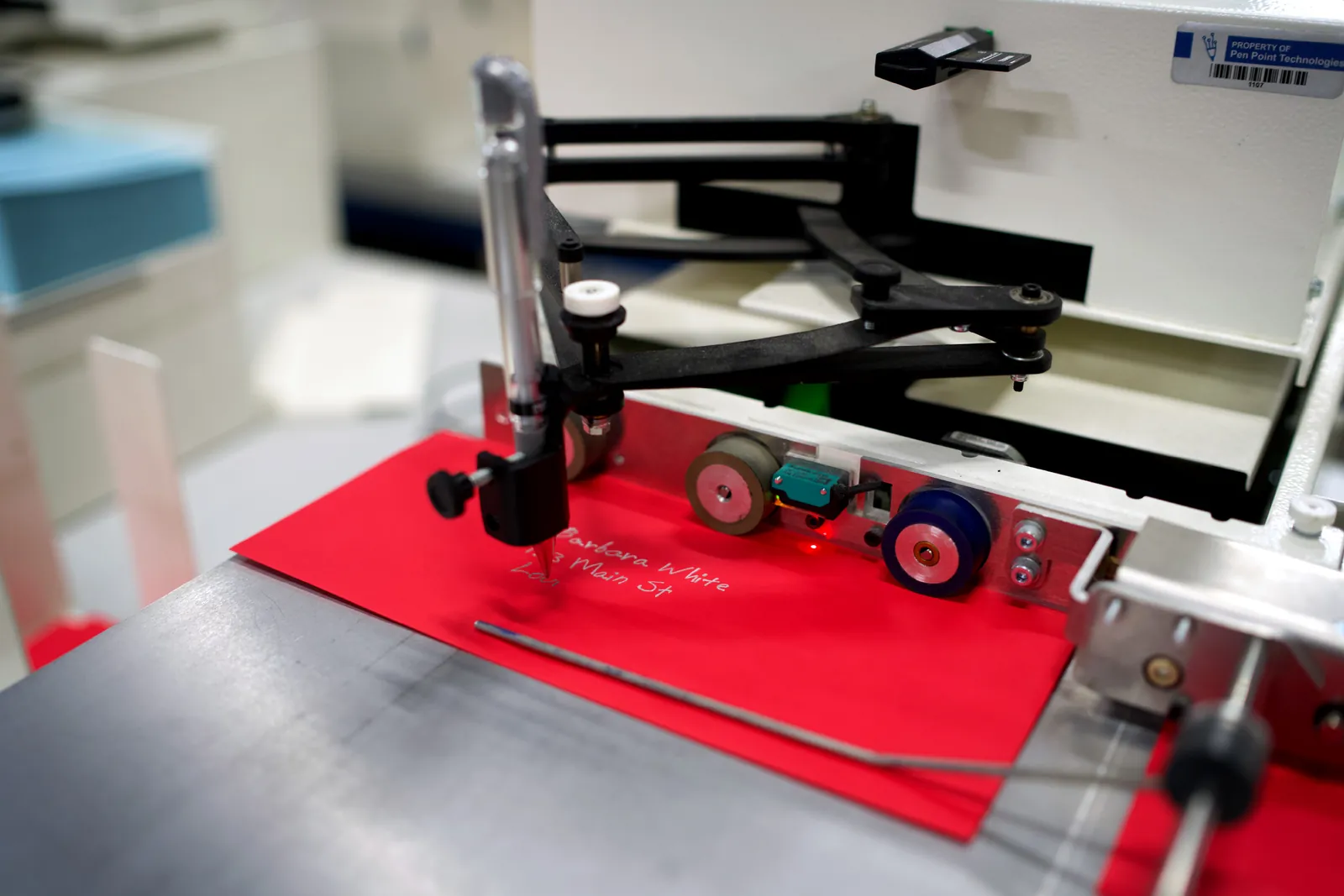
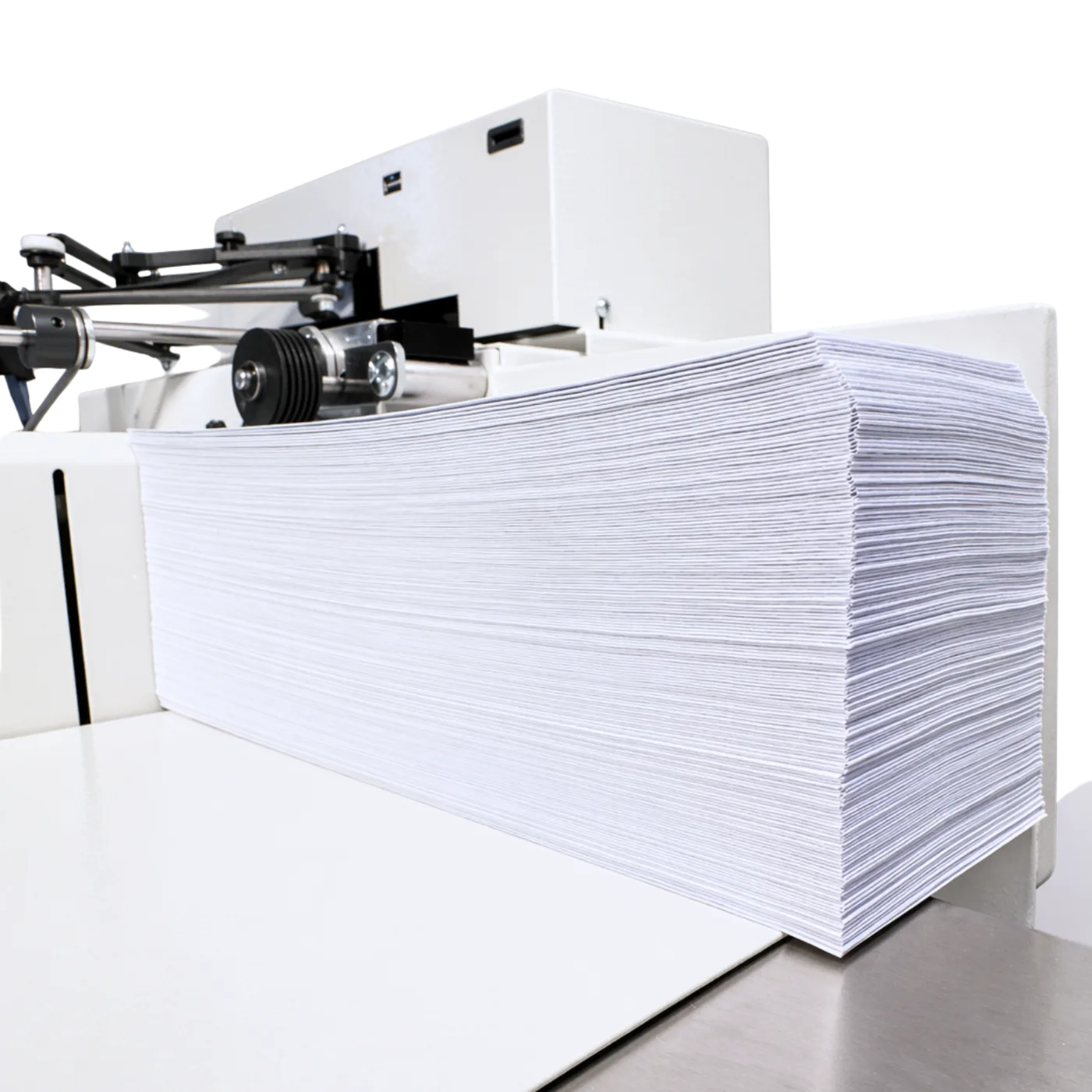
Manually handwriting reactivation notes is not practical for most practices. Autopen technology makes it possible to scale this personal touch without adding work for staff.
Using patient data, practices can identify inactive segments and automatically send handwritten-style notes that include names and customized messaging. The result is outreach that feels thoughtful and intentional while remaining efficient and consistent.
Why Handwritten Reactivation Works
Reactivation campaigns that include handwritten mail often outperform digital-only efforts because they feel unexpected and sincere. Patients are more likely to respond when they feel remembered rather than targeted.
Over time, this approach helps practices:
- Bring lapsed patients back into care
- Strengthen long-term patient relationships
- Improve retention without relying on discounts or urgency
A Softer Way to Reconnect
Re-engaging inactive patients does not require pressure or aggressive follow-ups. It requires communication that feels human, respectful, and genuine.
Handwritten outreach helps practices reconnect with patients in a way that feels natural and welcoming.
Looking for a better way to bring inactive patients back into your practice?
Discover how Pen Point Technologies’ autopen solutions help dental and orthodontic offices automate handwritten re-engagement campaigns that feel personal and effective.
Learn how an autopen supports patient reactivation.